14,064 people live in Mill Valley, where the median age is 47.2 and the average individual income is $120,115. Data provided by the U.S. Census Bureau.
Total Population
Median Age
Population Density Population Density This is the number of people per square mile in a neighborhood.
Average individual Income
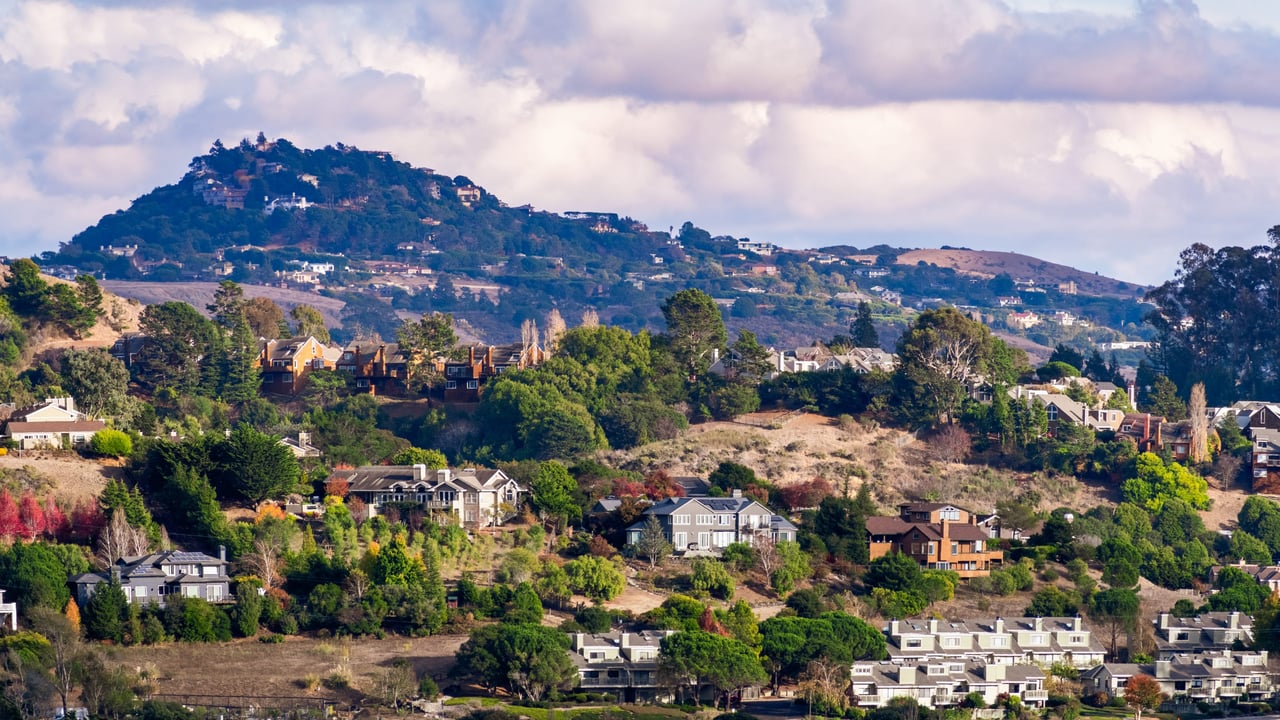
Mill Valley is a premier residential enclave tucked at the base of Mount Tamalpais in Marin County, approximately 14 miles north of San Francisco via the Golden Gate Bridge. With a population of roughly 14,000 within city limits—and approximately 32,000 in the broader 94941 ZIP code—the community combines small-town charm with access to world-class outdoor recreation, top-rated schools, and a sophisticated dining scene.
The town exudes an affluent yet understated vibe. Residents include tech executives, creative professionals, retirees, and families drawn by the exceptional public schools, proximity to nature, and village-style downtown. The median household income exceeds $157,000, ranking Mill Valley among California's wealthiest communities.
What makes Mill Valley appealing is the seamless integration of urban convenience and natural splendor. The walkable downtown features boutiques, award-winning restaurants, and the legendary Sweetwater Music Hall. Step outside town center and you're minutes from 200+ miles of hiking trails on Mount Tamalpais, ancient redwood groves in Muir Woods, and Richardson Bay's marshlands. It's the rare community where you can grab artisan coffee, hike to a waterfall, and be in San Francisco's Financial District within the same morning.
The Coast Miwok inhabited the area for approximately 6,500 years before European contact. The name 'Tamalpais' derives from the Miwok word meaning 'bay mountain' or 'coast mountain.' Spanish explorers Captain Pedro Fages and Father Juan Crespí first documented Mount Tamalpais in 1770.
Mill Valley's modern history began with John Reed's sawmill, established in the early 1800s in what is now Old Mill Park. The Tamalpais Land & Water Company auctioned residential lots in 1890, and the town incorporated on September 1, 1890. The railroad magnate Joseph Eastland drove early development, extending rail service to the area in 1889.
The iconic Mount Tamalpais Scenic Railway—dubbed 'The Crookedest Railroad in the World'—opened in 1896, running from Lytton Square to the summit with 281 curves. Muir Woods became a National Monument in 1908. The 1906 San Francisco earthquake triggered a population surge as city residents fled to the tranquil redwood canyons. By 1908, Mill Valley had constructed its first City Hall in Neo-Tudor style and opened Tamalpais High School. The Carnegie Library followed in 1910.
The town officially became the City of Mill Valley in 1947. Post-war decades brought steady residential growth, with neighborhoods expanding from the historic canyon areas into the flats near Richardson Bay. The 1970s saw Mill Valley emerge as the birthplace of mountain biking, with pioneers like Gary Fisher testing early designs on Mount Tam's fire roads. Today, the community balances preservation of its natural heritage with thoughtful development, maintaining strict height limits and environmental protections.
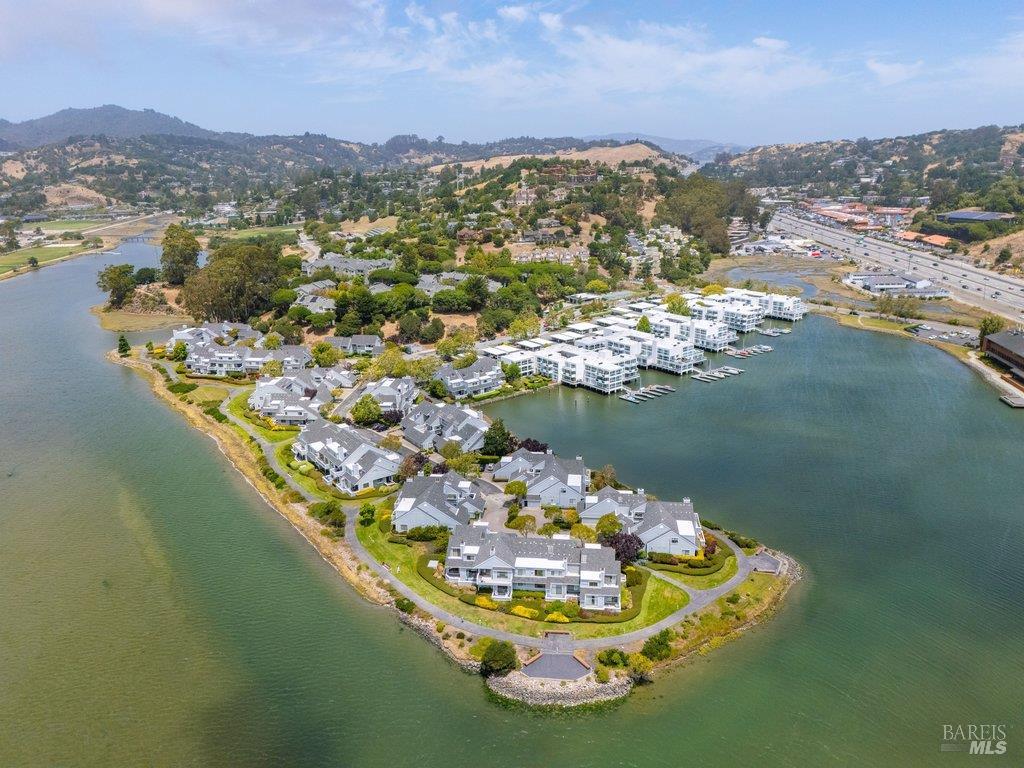
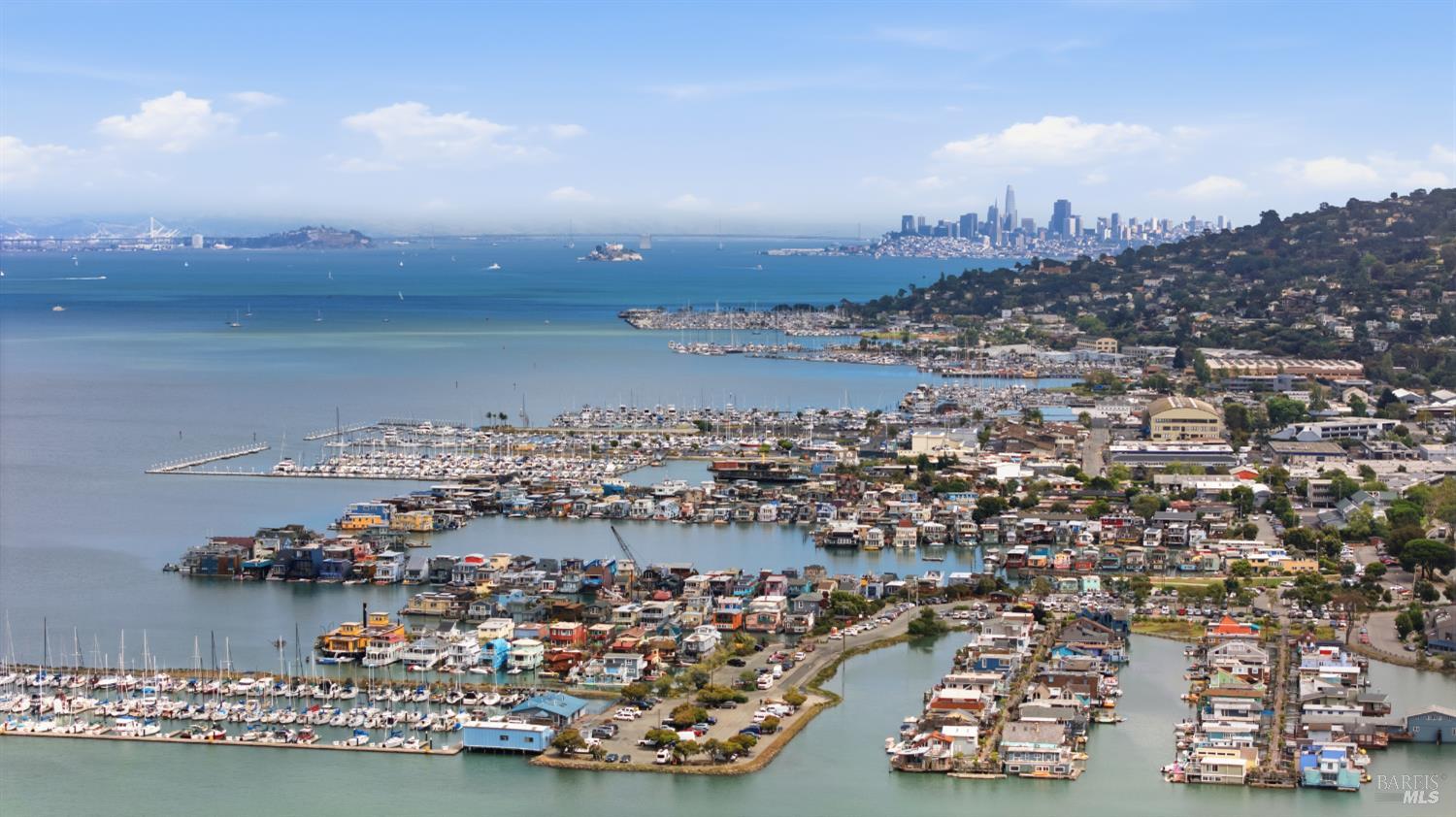
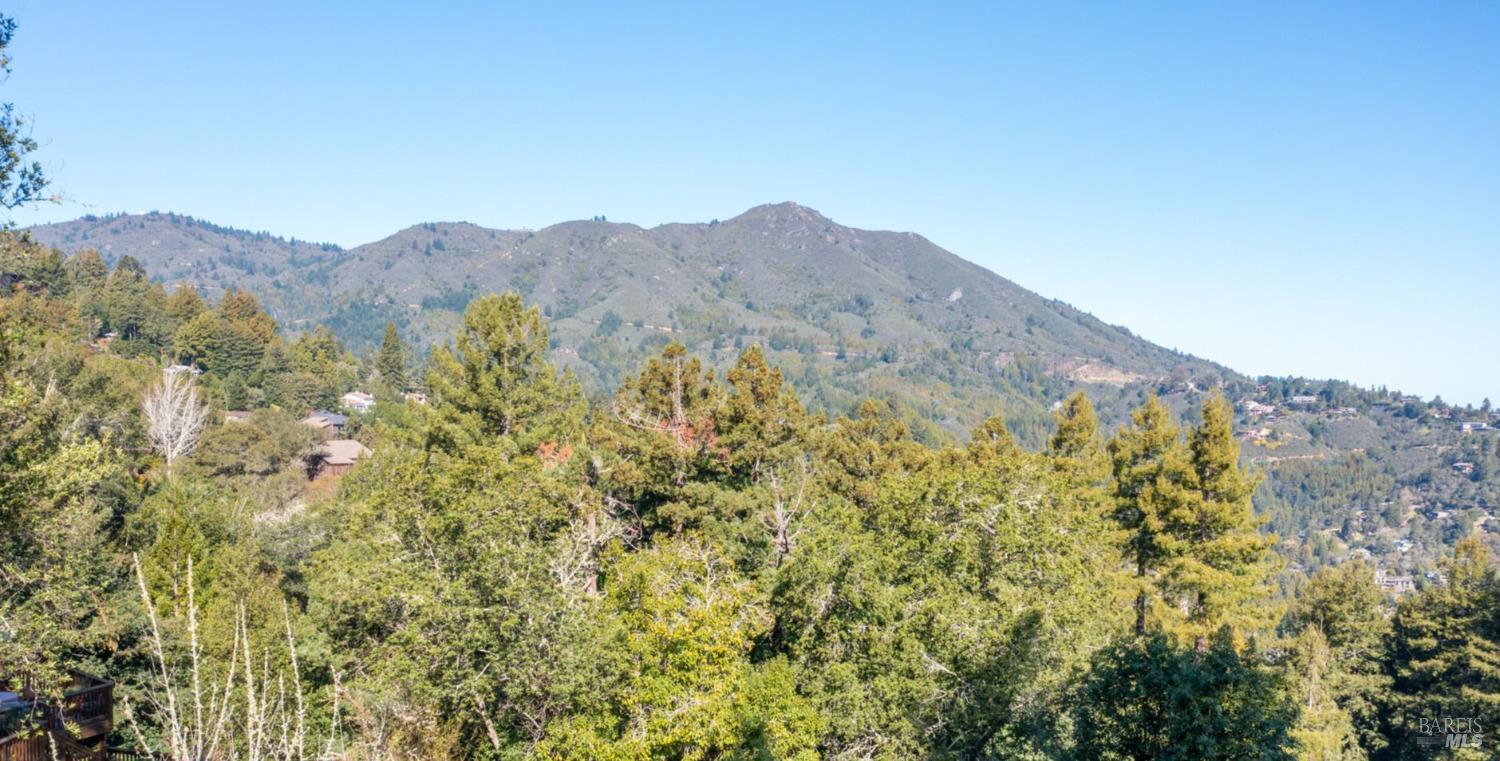
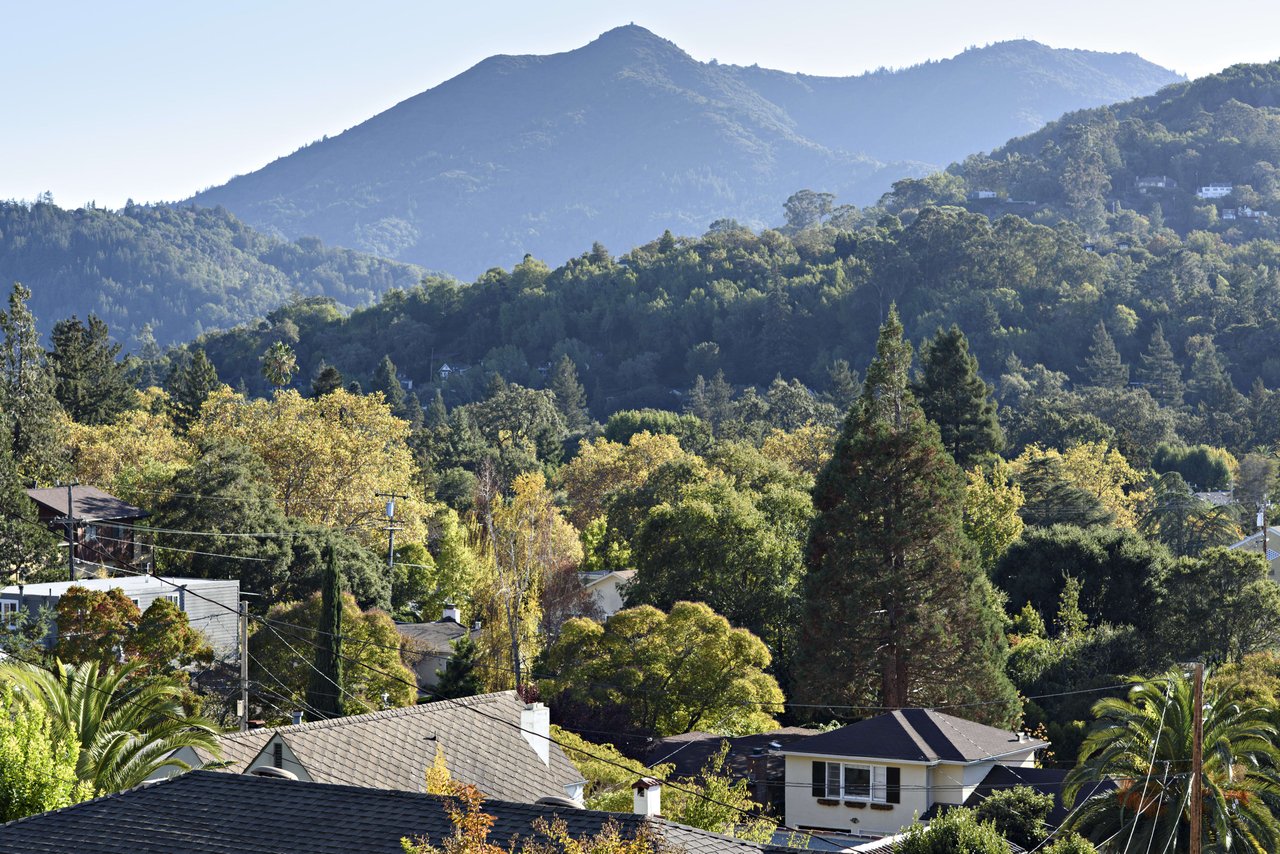
Mill Valley occupies the southeastern slopes of Mount Tamalpais (elevation 2,571 feet) and the western shores of Richardson Bay, a small embayment of San Francisco Bay. The city sits 14 miles north of San Francisco via Highway 101 and the Golden Gate Bridge, and approximately 52 miles from Napa Valley.
The 94941 ZIP code extends beyond city limits to include unincorporated communities: Almonte, Alto, Homestead Valley, Tamalpais Valley, and Strawberry. Muir Woods National Monument lies just outside city boundaries. The terrain varies dramatically—from flat marshlands along the bayfront to steep, wooded canyons carved by creeks draining Mount Tamalpais.
The climate is Mediterranean with cool, wet winters and warm, dry summers. Marine fog moderates summer temperatures, typically ranging from the mid-50s to mid-70s. The canyon neighborhoods tend to be warmer and sunnier than bayside areas, protected from direct fog intrusion. Average annual rainfall is approximately 30 inches, concentrated between November and April.
Natural surroundings include Mount Tamalpais State Park (6,300 acres), Golden Gate National Recreation Area, and the Marin Headlands. The area supports diverse ecosystems: coast redwood forests, mixed evergreen woodlands, chaparral, and salt marshes. Richardson Bay provides habitat for shorebirds and supports the nearby Marine Mammal Center.
Mill Valley's real estate market remains among Northern California's most competitive and expensive. As of late 2025, the median home sale price hovers around $1.5-2.0 million, with price per square foot averaging approximately $1,000. Single-family detached homes account for roughly 71% of housing stock.
Market conditions favor sellers. Homes sell quickly—averaging 13–24 days on market compared to 37–59 days in prior years. Well-priced properties in desirable neighborhoods like Sycamore Park and downtown frequently receive multiple offers within the first two weeks. The market shows moderate price appreciation of 3–5% annually, reflecting stabilization after the rapid gains of 2020–2022.
Downtown Mill Valley commands premium prices, with recent median sales around $6 million for the limited inventory available. The broader market ranges from approximately $1.5 million for entry-level condos and smaller homes in areas like Enchanted Knolls to $5+ million for larger properties in Blithedale Canyon, Cascade Canyon, and homes with bay or mountain views.
Inventory remains constrained. Approximately 200 active listings serve the entire market at any given time, creating competitive dynamics for buyers. Cash offers and waived contingencies remain common in multiple-offer situations. Buyers should expect to act decisively on well-positioned properties.
Secure pre-approval before house hunting. In Mill Valley's competitive market, sellers expect qualified buyers. Work with a lender familiar with jumbo loan products, as most transactions exceed conforming loan limits.
Partner with a local agent who knows the micro-neighborhoods. A home in sunny Blithedale Canyon differs significantly from one in foggy Strawberry, even at similar price points. Neighborhood knowledge is essential.
Visit during different times and weather conditions. Morning fog, afternoon traffic patterns, and weekend activity levels vary substantially. Walk the neighborhood. Mill Valley's 175 heritage steps and lanes reveal character you won't see from a car.
Research school boundaries carefully. The Mill Valley Elementary School District is highly regarded, but specific school assignments depend on address. Verify enrollment eligibility directly with the district before purchasing.
Budget for moving logistics. Mill Valley's narrow canyon roads and steep driveways present challenges for large moving trucks. Some properties require shuttle services or special equipment. Get quotes from movers experienced with Marin County terrain.
Expect a transition period. Mill Valley operates on its own rhythm—more casual than San Francisco, more community-oriented than suburban developments. Joining local groups, attending farmers markets, and frequenting neighborhood cafes accelerates integration.
Wildfire Risk: Mill Valley falls within a Wildland-Urban Interface (WUI) zone. According to Risk Factor data, 100% of the city's properties have some risk of wildfire exposure over the next 30 years. The Greater Mill Valley Fuel Break Project—a 23-mile continuous fuel reduction zone—is underway to reduce fire intensity and spread. Buyers should verify defensible space compliance, confirm insurance availability, and budget for potential home hardening upgrades required by California law.
Flood Zones: Portions of Mill Valley along Richardson Bay lie within FEMA flood zones and experience periodic flooding during King Tides and heavy rain events. The Sycamore Triangle, lower Miller Avenue, and Tamalpais Valley are historically flood-prone. Sea level rise projections suggest 16 inches of rise by 2050 and potentially 55 inches by 2100. Verify flood zone status, review elevation certificates, and investigate flood insurance requirements before purchasing in low-lying areas.
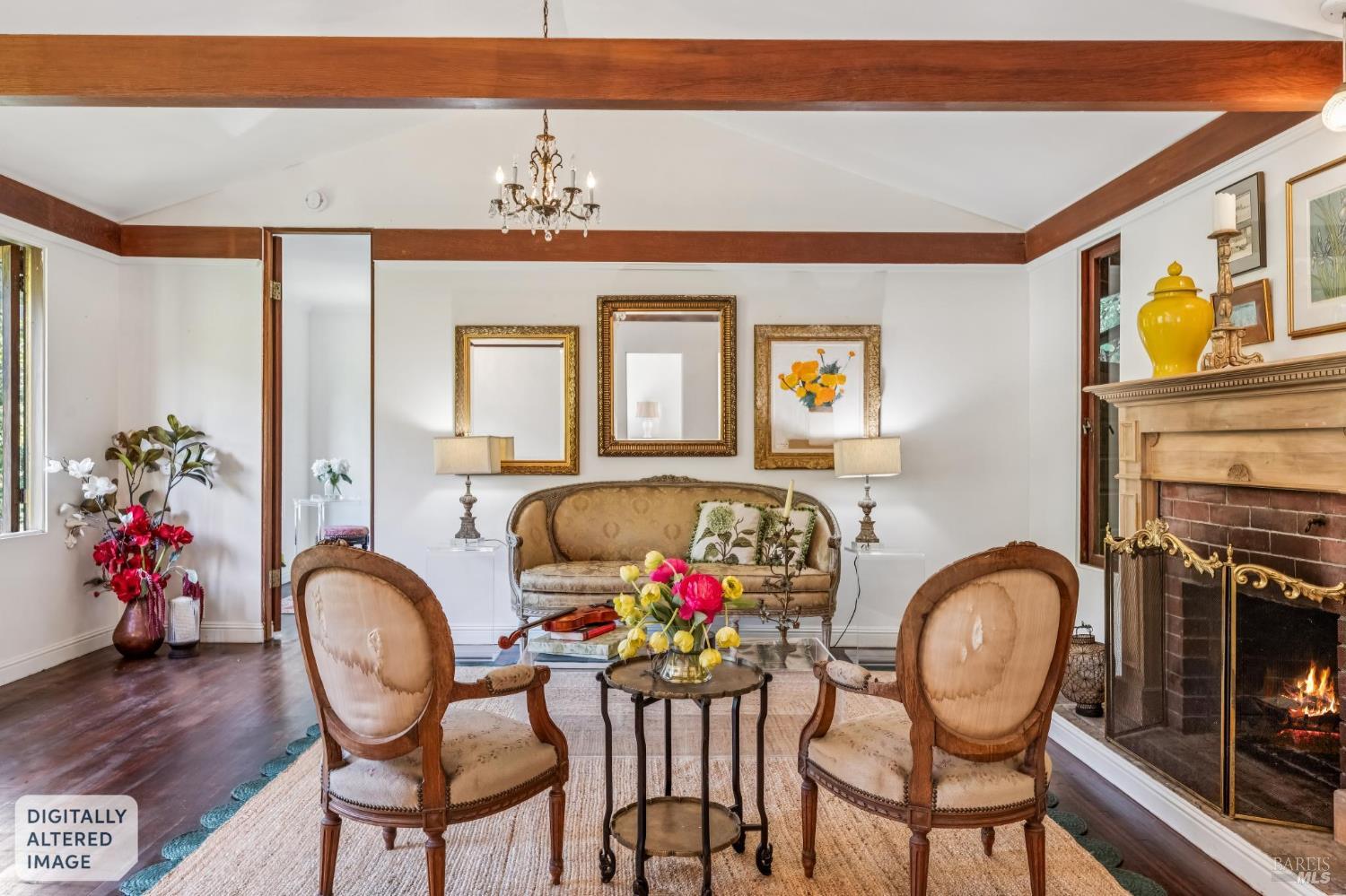
Property Age & Condition: Many homes date to the early-to-mid 20th century. Expect older electrical systems, limited insulation, and deferred maintenance in some properties. Foundation issues occur in hillside homes. Budget for thorough inspections including seismic retrofitting, roof condition, and drainage systems.
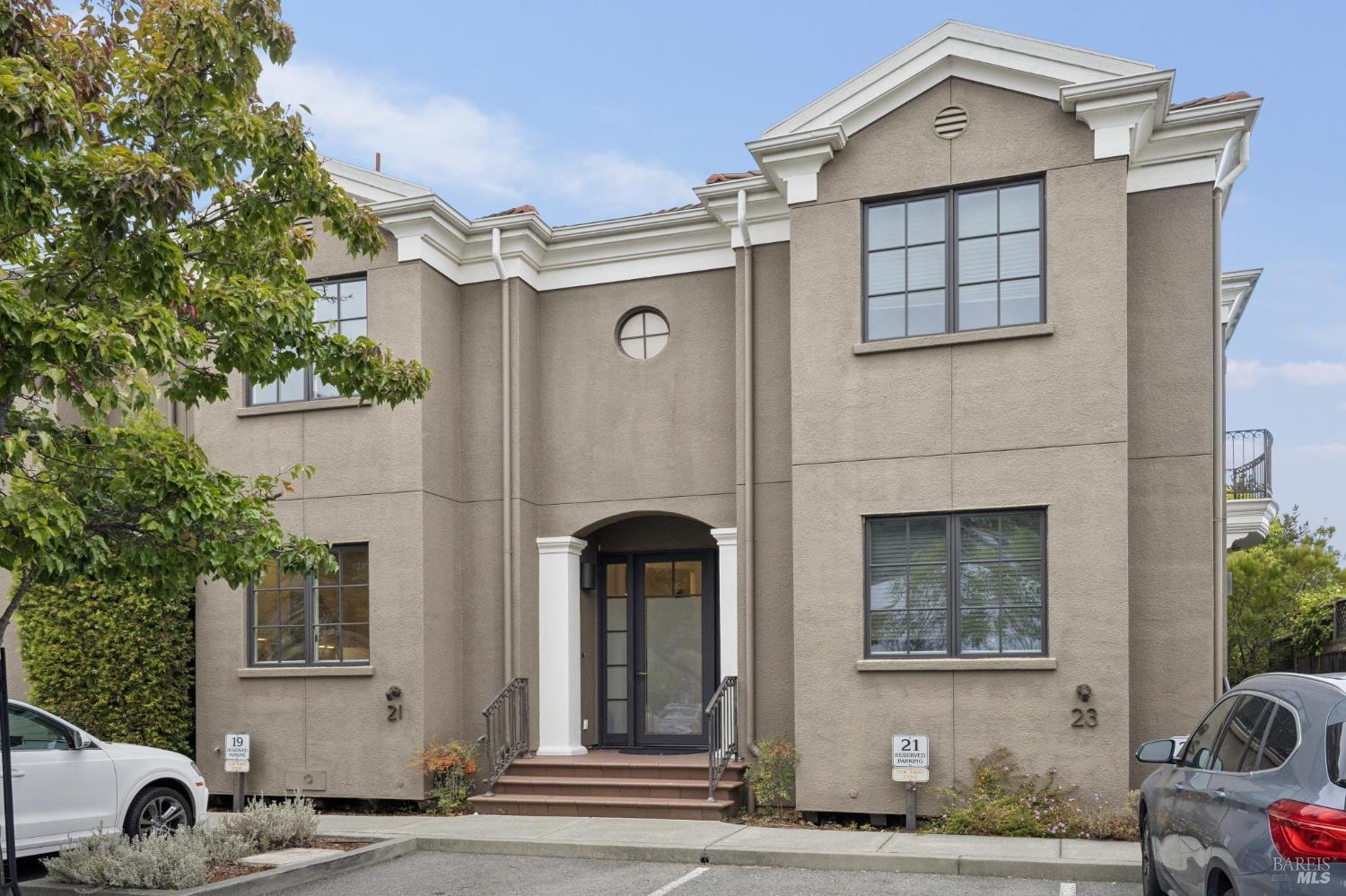
Parking & Access: Downtown parking is limited. Many hillside properties have steep driveways or street-only parking. Verify garage dimensions accommodate modern vehicles. Some canyon roads are narrow with limited turnaround space—important for daily living and emergency evacuation.
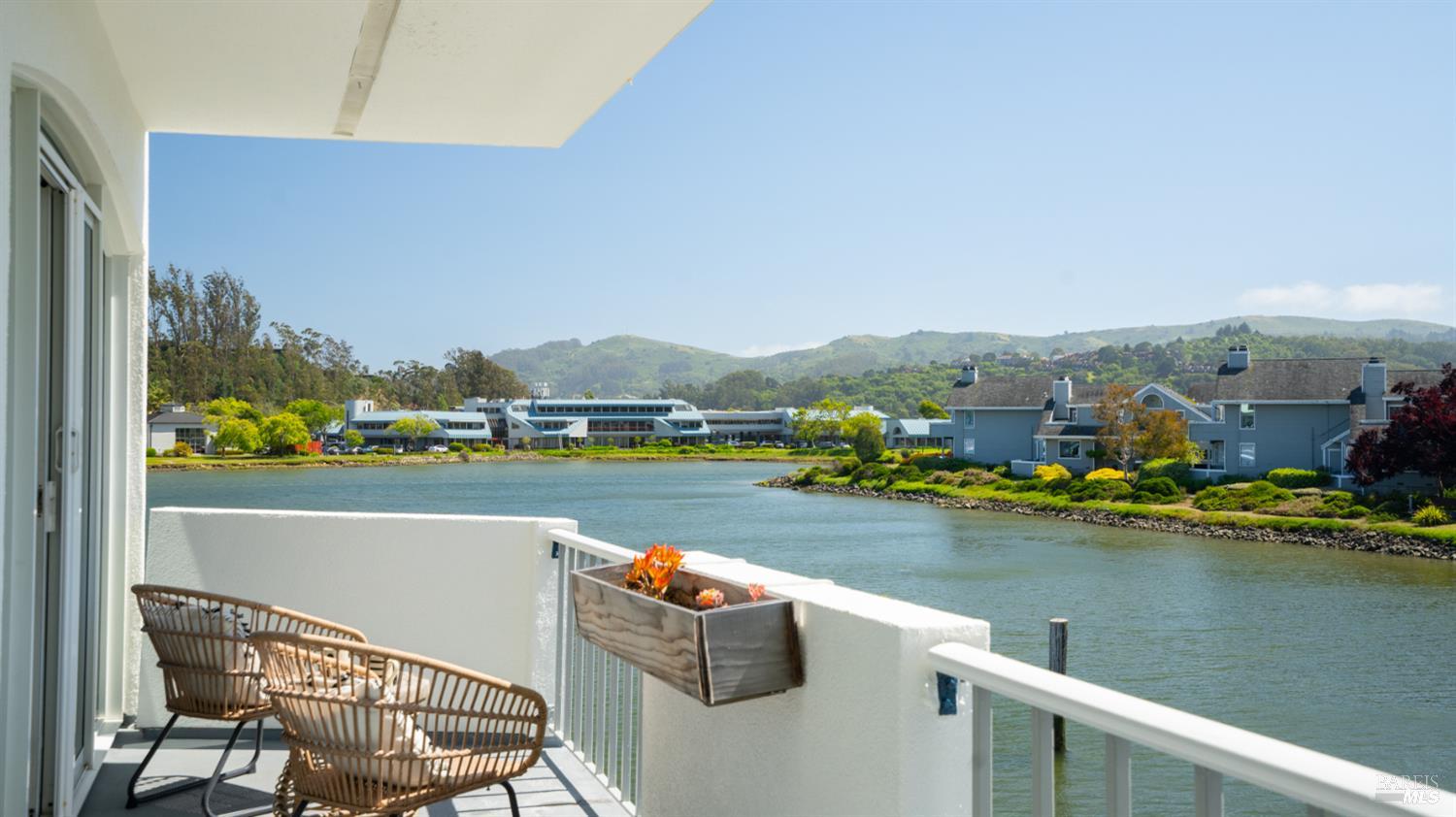
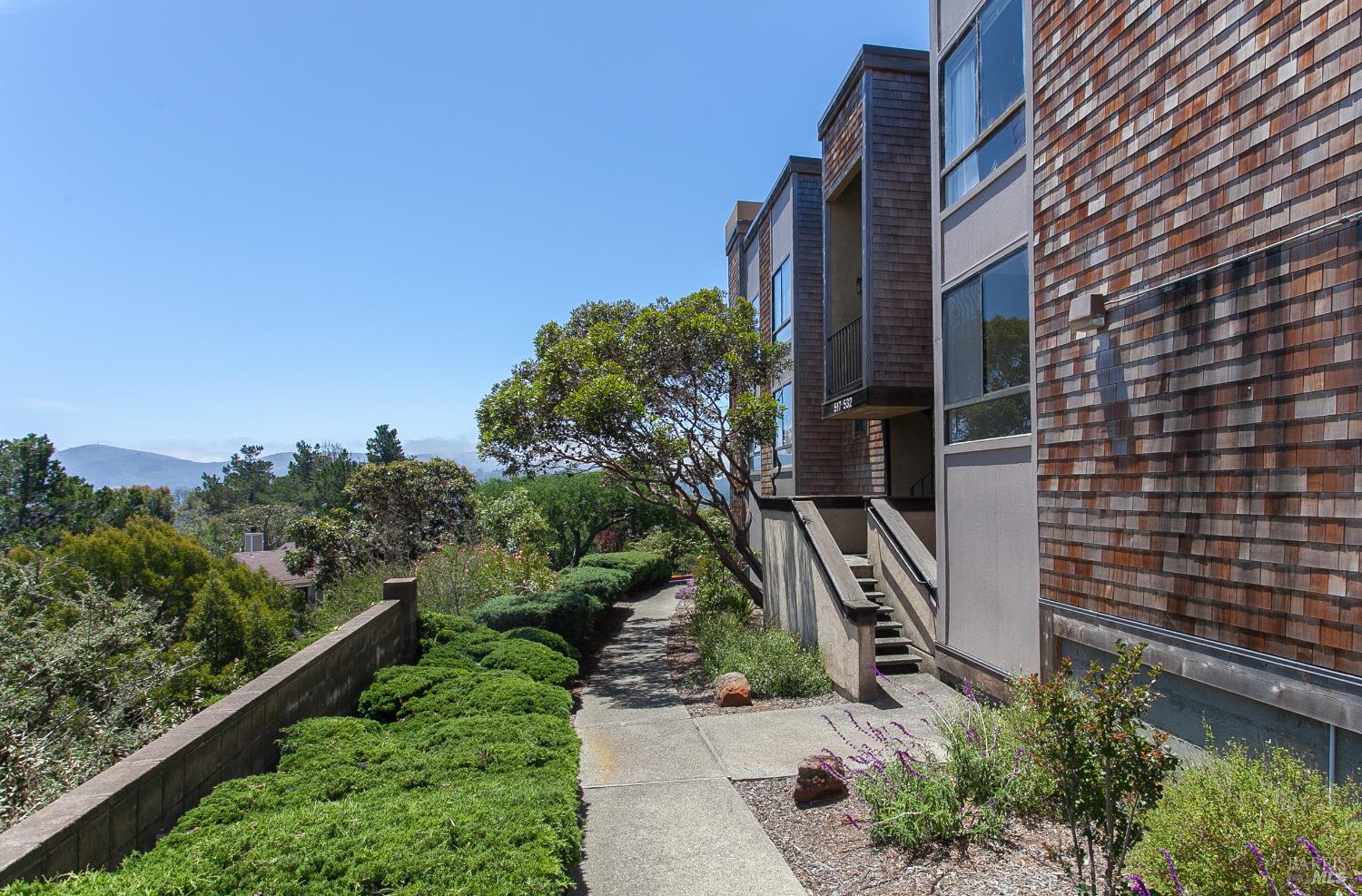
HOA Considerations: Condominium communities like Shelter Bay, Eucalyptus Knoll, and Sunrise Pointe have HOA fees and restrictions. Review CC&Rs carefully. Waterfront condo communities may face special assessments related to sea level rise mitigation.
Seasonality: Spring (March–May) remains the strongest selling season, with families motivated to close before the school year. Mill Valley's gardens and trails look their best in spring, maximizing curb appeal. Fall offers a secondary window as buyers relocate after summer. Winter sales are slower but attract serious buyers.
Pricing Strategy: Aggressive pricing generates multiple offers and drives final sale prices above asking. Overpricing leads to extended days on market and eventual price reductions—damaging in a market where speed signals desirability. Work with agents who track granular neighborhood data, not just citywide averages.
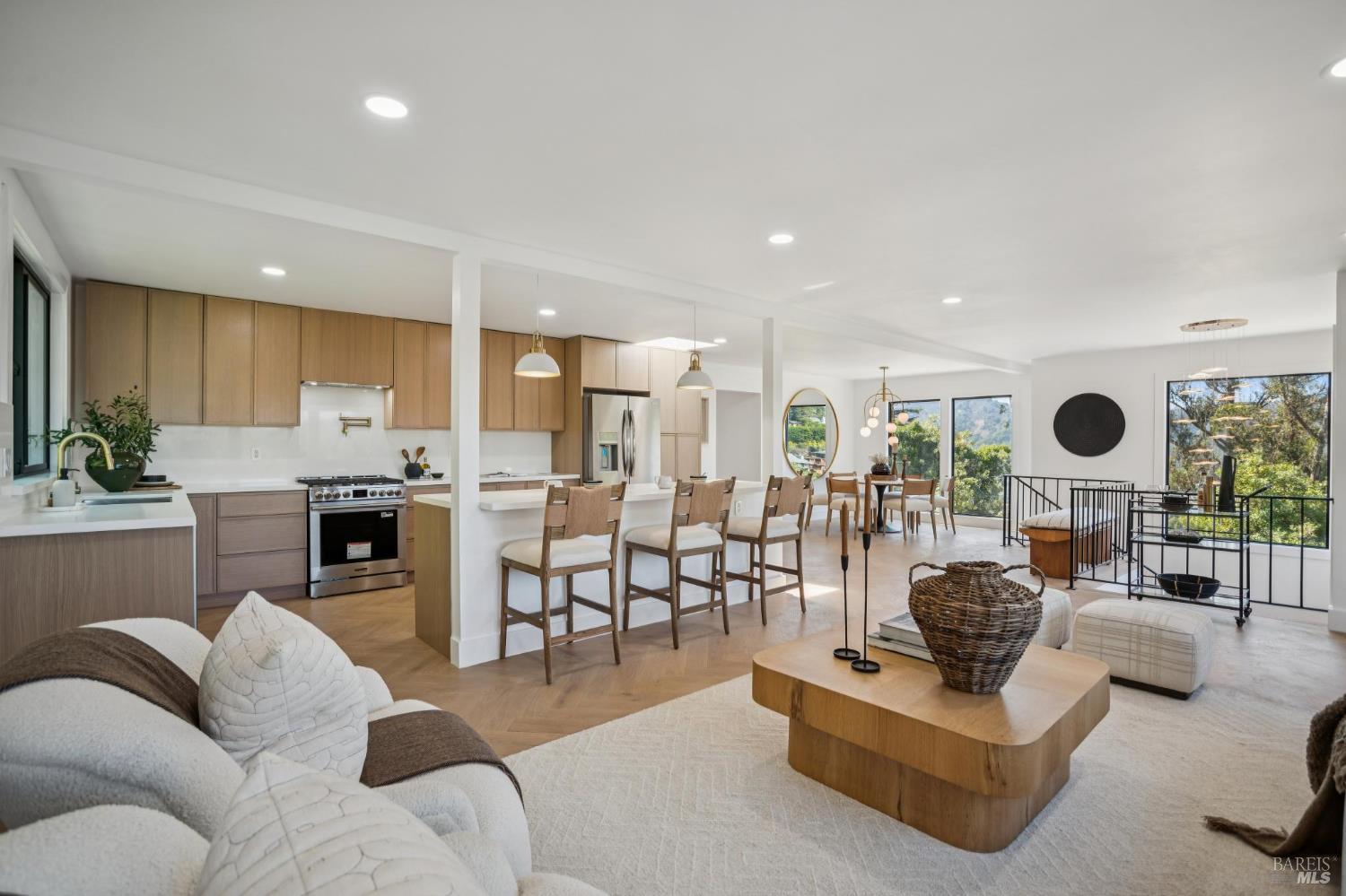
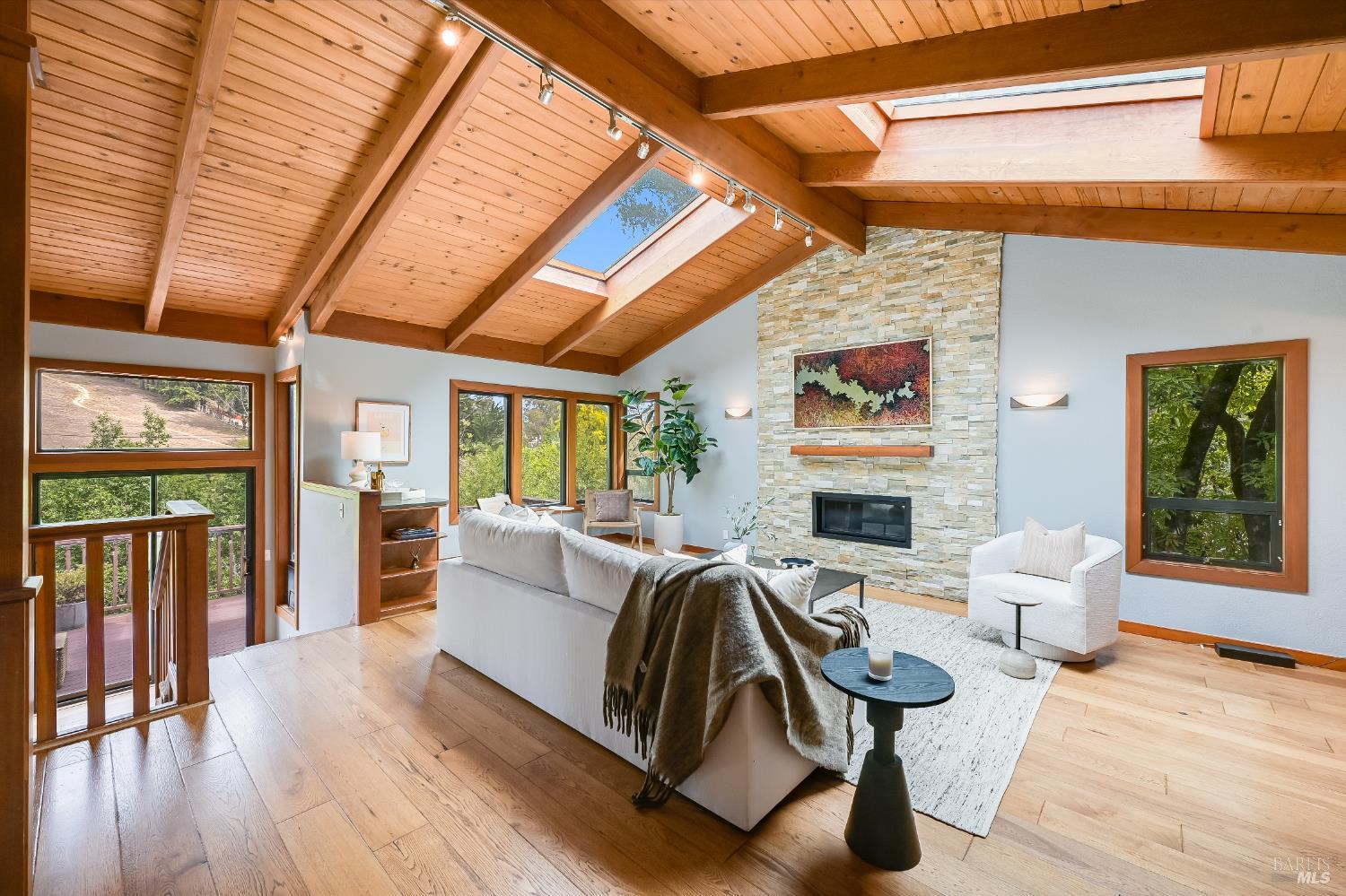
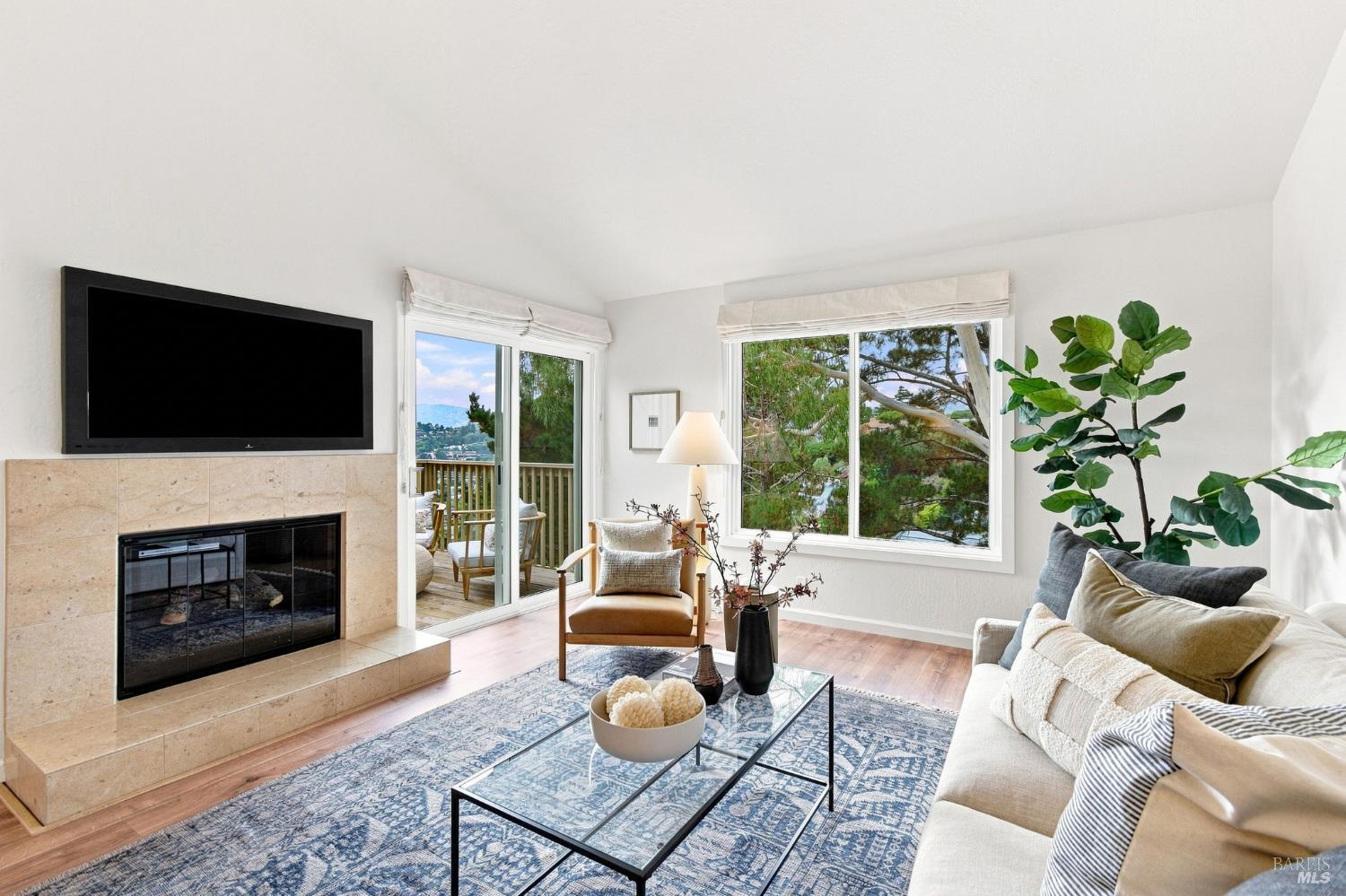
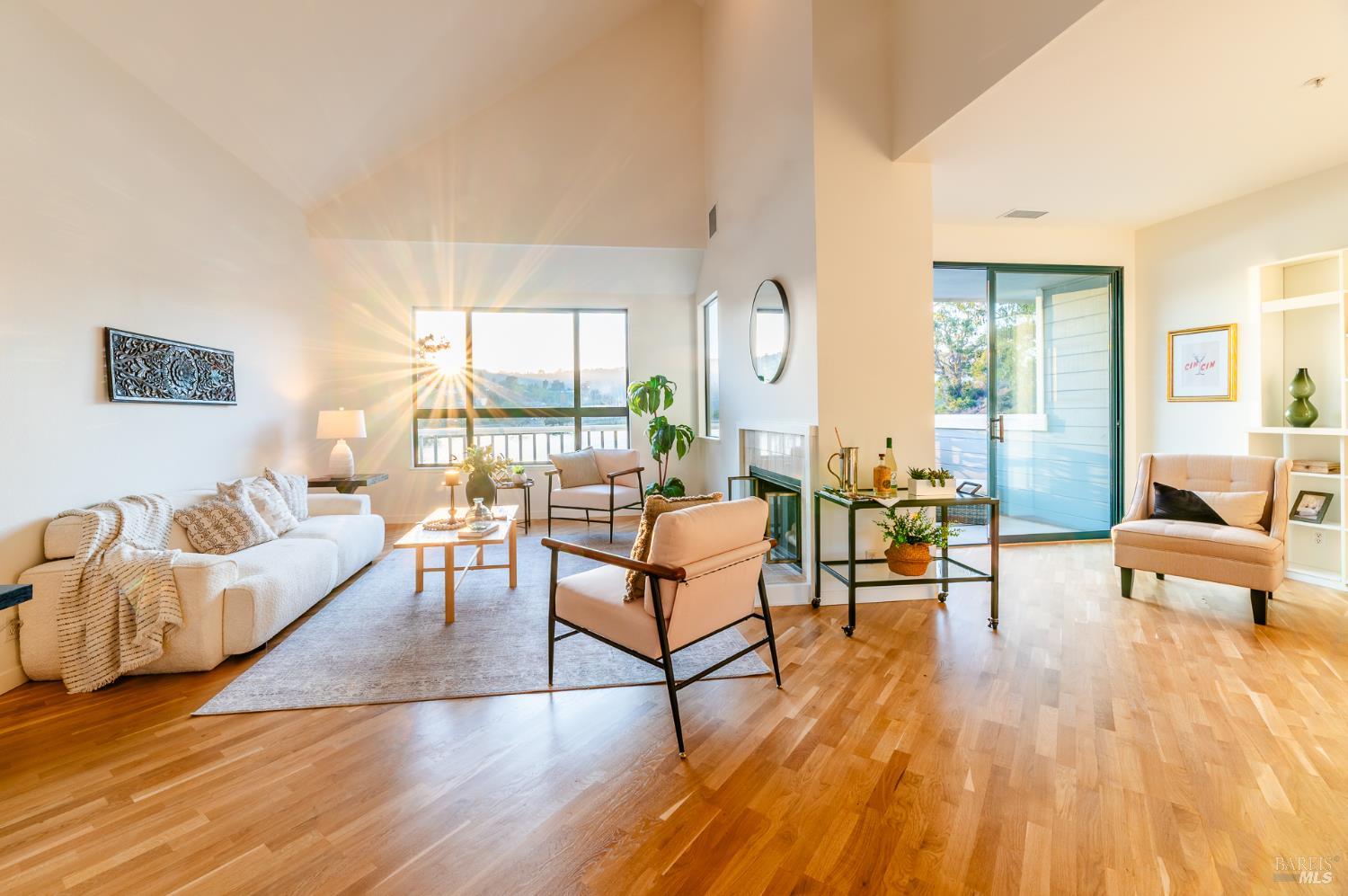
Staging & Presentation: Mill Valley buyers expect move-in ready properties. Professional staging consistently delivers returns. Emphasize indoor-outdoor living—decks, gardens, and views command premiums. Address deferred maintenance before listing; inspection issues derail transactions.
Buyer Demographics: Primary buyer pools include San Francisco families seeking excellent schools, remote workers prioritizing lifestyle, and retirees downsizing from larger Bay Area homes. Tech sector buyers often pay cash or bring substantial down payments. Highlight proximity to trailheads, school ratings, and commute options in marketing materials.
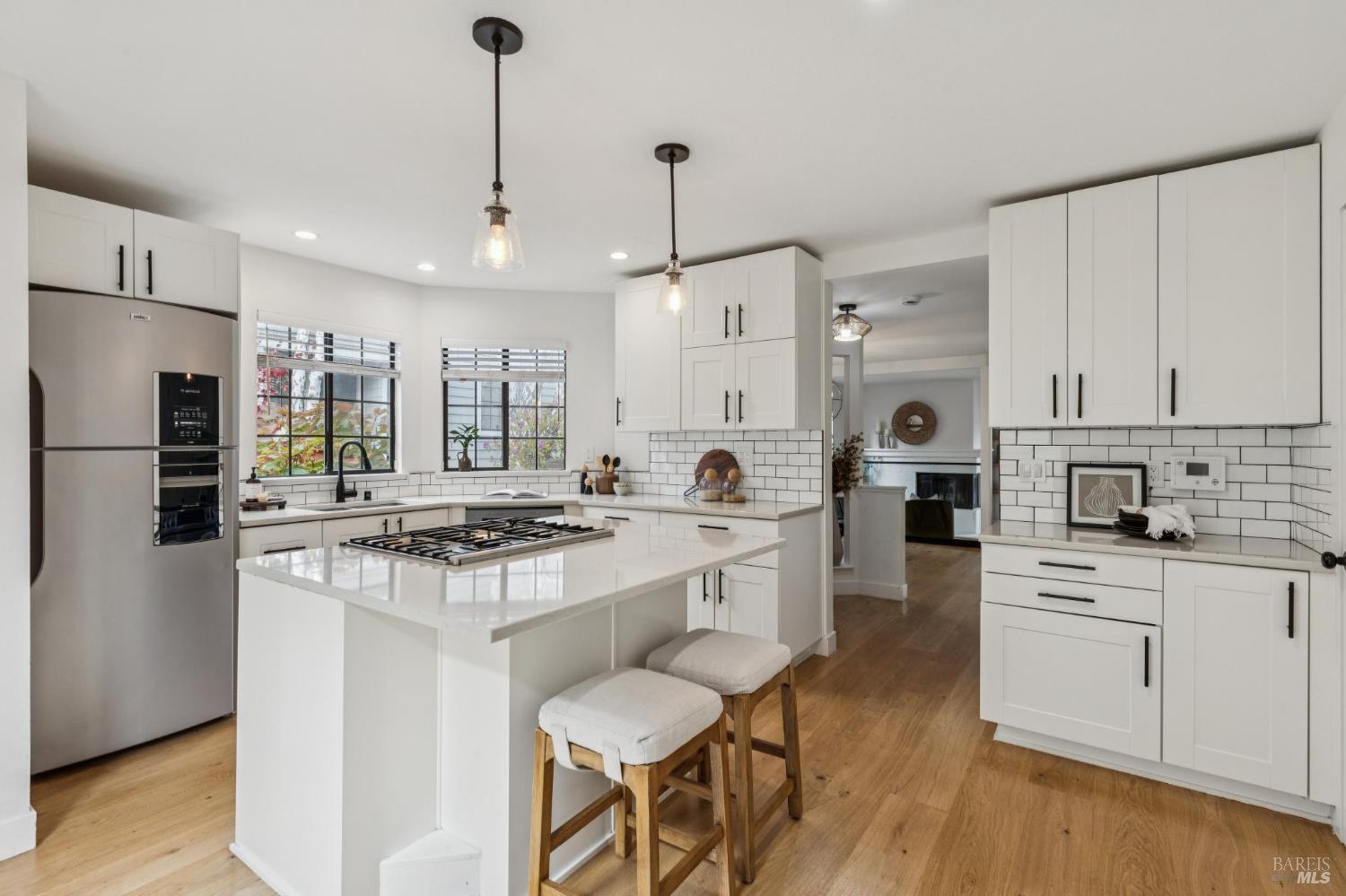
Value-Adding Upgrades: Kitchen and bathroom renovations deliver strong returns. Energy-efficient upgrades (solar, EV charging, modern HVAC) appeal to environmentally conscious buyers. Fire-resistant landscaping and ember-resistant vents address wildfire concerns. ADU potential increases property appeal given housing scarcity.
Mill Valley's dining scene punches above its weight. Downtown's walkable streets host diverse options from casual cafes to white-tablecloth restaurants.
Piazza D'Angelo anchors the dining scene—a family-run Southern Italian trattoria on the main plaza serving wood-fired pizzas and house-made pasta since the 1980s. Buckeye Roadhouse on Shoreline Highway delivers California-influenced American cuisine in a rustic lodge setting. Playa brings elevated Mexican fare with craft cocktails to downtown. Paseo Bistro offers globally inspired California cuisine with a Wine Spectator-awarded wine program and live jazz on Thursdays.
Bungalow 44 serves as the neighborhood's go-to for upscale casual dining and $1 oyster happy hours. Corner Bar is downtown's first dedicated cocktail lounge, featuring Mediterranean small plates. Tam Tavern (formerly Floodwater) offers beer-forward casual dining near Tam Junction.
Coffee culture thrives at Equator Coffee and local spots along Miller Avenue. The Mill Valley Market provides specialty groceries. For quick bites, Avatar's Punjabi Burritos delivers Indian-Mexican fusion, while Super Duper Burger and Phyllis' Giant Burgers satisfy casual cravings.
Entertainment centers on Sweetwater Music Hall, the legendary 300-capacity venue that has hosted everyone from Jerry Garcia to national touring acts. The 142 Throckmorton Theatre presents live performances and cinema. Sequoia Cinema, approaching its centennial, screens current releases in a historic single-screen setting. Marin Theatre Company offers professional regional productions downtown.
Mill Valley offers unparalleled outdoor access. Mount Tamalpais State Park encompasses 6,300 acres with 200+ miles of trails ranging from accessible paths to strenuous climbs. The Dipsea Trail—7.4 miles from downtown to Stinson Beach—ranks among the nation's most iconic hiking routes.
Muir Woods National Monument protects ancient coast redwood groves, some trees exceeding 1,000 years old. The main loop trail is accessible for all abilities; more challenging routes connect to Mount Tamalpais trail systems. Reservations are required for parking during peak season.
Cascade Falls Park offers an easy 1.5-mile hike from downtown to a seasonal waterfall—perfect for families. Old Mill Park preserves the site of John Reed's original sawmill and hosts community events. Bayfront Park along Richardson Bay features soccer fields, a boat launch, and connections to the 500-mile San Francisco Bay Trail.
The Mill Valley Golf Course provides a challenging 9-hole municipal layout winding through redwoods just blocks from downtown. Mountain bikers access legendary trails including Old Railroad Grade and Eldridge Grade on Mount Tam's northern slopes. Road cyclists enjoy challenging climbs on Panoramic Highway.
Mill Valley maintains 19 public parks. Sycamore Park offers a popular playground and community gathering space. Hauke Park provides open space with mountain views. The city's 175 documented heritage steps and lanes create a pedestrian network throughout residential neighborhoods.
The Dipsea Race, first run in 1905, is the oldest trail race in America. Held the second Sunday of June, approximately 1,500 runners navigate 7.4 miles from downtown Mill Valley to Stinson Beach. The unique handicapping system allows runners of all ages to compete for the overall title. The race has spawned related events including the Double Dipsea, Quad Dipsea (28.4 miles on Thanksgiving weekend), and the Dipsea Hike.
The Mountain Play celebrates over a century of outdoor theater at the 4,000-seat Cushing Memorial Amphitheater on Mount Tamalpais. Professional Broadway productions run Sunday afternoons in May and June. The tradition began in 1913; the CCC-built stone theater dates to the 1930s.
The Mill Valley Film Festival, held each October, ranks among the nation's premier regional film festivals. Founded in 1978, it showcases independent and international cinema with filmmaker appearances and industry programs.
The Mill Valley Music Festival, launched in 2022, brings multiple stages and diverse acts to Friends Field over a May weekend. The Homestead Valley Music Festival continues to grow in popularity. Sound Summit offers a late-summer concert at the Mountain Theatre.
Winterfest brings the community together in downtown's Depot Plaza with holiday activities. The Concert in the Plaza series offers free summer performances. The Fall Arts Festival showcases local artists and craftspeople.
Mill Valley's public schools consistently rank among California's best. The Mill Valley School District serves approximately 2,400 K–8 students across six schools, achieving a testing ranking in the top 5% statewide. Reading proficiency reaches 78–80%; math proficiency hits 73–79%—both dramatically above state averages.
Elementary Schools (K–5)
Old Mill Elementary, Park Elementary, Tamalpais Valley Elementary, Strawberry Point Elementary, and Edna Maguire Elementary all earn 'A' ratings from Niche and GreatSchools. Class sizes average 20–21 students per teacher. The district spends approximately $22,000 per student annually.
Middle School (6–8)
Mill Valley Middle School ranks 56th among 2,777 California middle schools per SchoolDigger. Proficiency rates exceed 75% in math and 80% in English Language Arts. The district is currently planning a $130 million modernization project to address aging facilities and sea level rise considerations.
High School (9–12)
Tamalpais High School ('Tam'), part of the Tamalpais Union High School District, earns a GreatSchools rating of 10/10 and an 'A' from Niche. The school ranks 137th among 2,323 California high schools. AP participation reaches 72%, and the graduation rate is 99%. Tam received California Distinguished School recognition in 1999, 2005, and 2009. The Conservatory Theatre Ensemble and Mock Trial program have earned national recognition.
Private Options
Marin Horizon School serves PK–8 students with 296 enrollment. North Bridge Academy specializes in serving students with dyslexia (grades 2–8). Mount Tamalpais School (independent) provides another private alternative. Nearby universities include College of Marin (community college) and UC Berkeley and Stanford within reasonable commuting distance.
Mill Valley's location balances natural beauty with urban access. San Francisco lies 14 miles south via Highway 101 and the Golden Gate Bridge. In optimal conditions, the drive takes 22–25 minutes. During peak commute hours (7–9 AM, 4–7 PM), expect 45–65+ minutes depending on traffic patterns.
Public Transit
Golden Gate Transit Route 114 provides direct bus service from Mill Valley to San Francisco's Financial District. The bus takes approximately 56 minutes and costs $5–8. Service operates primarily during weekday commute hours with limited weekend options.
Ferry service from nearby Sausalito (15–20 minutes by car or bus) reaches San Francisco Ferry Building in approximately 30 minutes. Larkspur Landing ferry terminal offers additional connections. Neither terminal has free parking.
Highway Access
Highway 101 runs along Mill Valley's eastern edge, providing north-south connectivity to San Rafael, Novato, and Sonoma County (north) and San Francisco (south). Highway 1 branches west from Tam Junction toward Stinson Beach and the coast. The Golden Gate Bridge toll is $7.35 with FasTrak for southbound crossings.
Silicon Valley Commute
Commuting to the South Bay requires crossing San Francisco. Allow 60–120+ minutes to reach Mountain View or Palo Alto depending on traffic. The rise of remote work has made Mill Valley increasingly attractive to tech workers who commute only 1–2 days per week.
Local Transportation
Downtown Mill Valley is highly walkable. The Marin Transit system provides local bus connections. Cycling is popular for both recreation and commuting, with dedicated lanes on several routes. E-bikes have gained popularity for navigating hills.
Mill Valley delivers a lifestyle that balances nature, culture, and community in ways few places can match. Residents consistently cite the same themes when describing what makes the town special.
The natural environment is omnipresent. You can start your day with a hike through ancient redwoods, grab coffee in a walkable downtown, and still be at your desk (home or otherwise) by 9 AM. The air smells of eucalyptus and bay laurel. Mountain views appear at unexpected corners. Wildlife—deer, foxes, hawks—share the landscape.
The schools draw families who stay for decades. Parents walk children to elementary school along tree-lined sidewalks. Teenagers walk to Tam High. The continuity creates multi-generational connections that strengthen community bonds.
The downtown functions as a genuine town center, not a suburban strip. Neighbors encounter each other at the Depot, at weekend farmers markets, at school events. The Sweetwater brings world-class music to an intimate, local venue. Film festival week transforms the town into an industry gathering.
The pace is deliberately slower than San Francisco, yet the sophistication remains. Restaurants rival the city's best. Cultural programming exceeds expectations for a town its size. The Mountain Play and Dipsea Race carry century-long traditions forward.
The outdoor culture shapes daily life. Neighbors discuss trail conditions. Running groups train for the Dipsea. Mountain bikers congregate at Tam Junction. The connection to Mount Tamalpais provides a shared reference point—everyone has stories from the mountain.
Mill Valley feels protected without feeling isolated. The redwood canyons and mountain backdrop create natural boundaries. The community has fought to preserve open space, limit development, and maintain the character that makes the town distinctive.
Sycamore Park & Tamalpais Park
These adjacent flat neighborhoods east of downtown command premium prices for walkability, tree-lined streets, and family-friendly character. Stately Victorians mix with updated cottages. Properties range from $3.7–4.8 million for larger homes. The community atmosphere is tight-knit, and Halloween trick-or-treating draws families from across town.
Blithedale Canyon & Cascade Canyon
The canyon neighborhoods offer redwood seclusion with proximity to downtown. Charming early 20th-century cottages have been updated into elegant homes. Hillside properties capture views of Mount Tamalpais and the San Francisco skyline. These areas are notably warmer and sunnier than bayside locations. Expect $2.5–6+ million depending on lot size and views.
Downtown Mill Valley
Extremely limited inventory in the walkable downtown core commands the highest premiums. Recent sales have exceeded $6 million. The ability to walk to restaurants, shops, and entertainment without using a car defines the appeal.
Homestead Valley
This semi-rural enclave adjacent to Golden Gate National Recreation Area offers larger lots and a quieter, more rustic feel. The Homestead Valley Music Festival reflects the neighborhood's community spirit. Properties range from $1.8–3.5 million.
Horse Hill & Scott Valley
Located near Highway 101 with typically larger lots, Horse Hill offers accessibility combined with space. Homes with views and updated interiors trade in the $2–3.5 million range. Scott Valley provides a suburban feel with tree-lined streets and proximity to schools.
Strawberry
The waterfront community offers bay views, convenient shopping at Strawberry Village, and generally more accessible price points than the canyons. The neighborhood provides a suburban atmosphere with Highway 101 access.
Mill Valley attracts discerning buyers who prioritize quality of life over urban proximity. The ideal resident values outdoor access, appreciates community connection, and has the financial resources to compete in a premium market.
Families with school-age children find exceptional public schools, safe neighborhoods, and abundant recreational options. The walk-to-school lifestyle and involved parent community create an environment where children thrive. Young families should be prepared for the financial commitment—entry-level homes rarely appear below $1.5 million.
Remote workers and hybrid commuters gain particular value. Mill Valley rewards those who can work from home most days and make occasional trips to San Francisco or the Peninsula. The lifestyle advantages multiply when daily commuting isn't required.
Outdoor enthusiasts and athletes will never exhaust the options. Runners, cyclists, hikers, and kayakers find world-class terrain outside their doors. The culture embraces active living; neighbors understand when you disappear for a morning on the mountain.
Empty nesters and retirees downsizing from larger Bay Area homes discover a walkable community with cultural amenities typically found in larger cities. The downtown provides daily engagement without requiring a car.
Mill Valley may not suit those who require urban nightlife, seek affordable housing, or depend on daily commutes to the South Bay. The town's charm derives partly from what it isn't—not dense, not hectic, not suburban in the conventional sense. Buyers seeking those qualities should look elsewhere.
For those who find the fit, Mill Valley offers something increasingly rare: a genuine community where neighbors know each other, natural beauty frames daily life, and the pace allows for presence. The premium reflects the scarcity of such places anywhere in the modern Bay Area.
There's plenty to do around Mill Valley, including shopping, dining, nightlife, parks, and more. Data provided by Walk Score and Yelp.
Explore popular things to do in the area, including Accents, Marin GreenPlay Camp, and Ezra Talbert.
| Name | Category | Distance | Reviews |
Ratings by
Yelp
|
|---|---|---|---|---|
| Shopping | 0.24 miles | 0 reviews | 0/5 stars | |
| Active | 0.01 miles | 4 reviews | 2.3/5 stars | |
| Active | 0.01 miles | 0 reviews | 0/5 stars | |
| Active | 0.01 miles | 0 reviews | 0/5 stars | |
| Active | 0.01 miles | 0 reviews | 0/5 stars | |
| Active | 0.15 miles | 0 reviews | 0/5 stars | |
| Active | 0.23 miles | 0 reviews | 0/5 stars | |
| Active | 0.23 miles | 0 reviews | 0/5 stars | |
| Beauty | 0.23 miles | 2 reviews | 5/5 stars | |
| Beauty | 0.23 miles | 0 reviews | 0/5 stars | |
| Beauty | 0.25 miles | 0 reviews | 0/5 stars | |
| Beauty | 0.25 miles | 2 reviews | 5/5 stars | |
| Beauty | 0.25 miles | 0 reviews | 0/5 stars | |
| Beauty | 0.25 miles | 6 reviews | 4.3/5 stars | |
| Beauty | 0.25 miles | 8 reviews | 5/5 stars | |
| Beauty | 0.25 miles | 1 review | 5/5 stars | |
| Beauty | 0.25 miles | 11 reviews | 2.7/5 stars | |
| Beauty | 0.25 miles | 1 review | 5/5 stars | |
| Beauty | 0.27 miles | 1 review | 1/5 stars | |
| Beauty | 0.27 miles | 0 reviews | 0/5 stars | |
| Beauty | 0.27 miles | 0 reviews | 0/5 stars | |
| Beauty | 0.27 miles | 0 reviews | 0/5 stars | |
| Beauty | 0.27 miles | 1 review | 5/5 stars | |
| Beauty | 0.27 miles | 0 reviews | 0/5 stars | |
|
|
||||
|
|
||||
|
|
||||
|
|
||||
|
|
||||
|
|
Mill Valley has 5,518 households, with an average household size of 2.54. Data provided by the U.S. Census Bureau. Here’s what the people living in Mill Valley do for work — and how long it takes them to get there. Data provided by the U.S. Census Bureau. 14,064 people call Mill Valley home. The population density is 2,941 and the largest age group is Data provided by the U.S. Census Bureau.
Total Population
Population Density Population Density This is the number of people per square mile in a neighborhood.
Median Age
Men vs Women
Population by Age Group
0-9 Years
10-17 Years
18-24 Years
25-64 Years
65-74 Years
75+ Years
Education Level
Total Households
Average Household Size
Average individual Income
Households with Children
With Children:
Without Children:
Marital Status
Blue vs White Collar Workers
Blue Collar:
White Collar: